How Trucking Companies Help Reduce Supply Chain Delays

Supply chain delays can affect nearly every part of a business. When materials, products, or equipment do not arrive on time, production slows down, inventory becomes harder to manage, and customers may be left waiting. Trucking companies play an important role in reducing these problems by keeping freight moving efficiently between suppliers, warehouses, manufacturers, retailers, and job sites.

Reliable Transportation Keeps Goods Moving

One of the biggest ways trucking companies reduce delays is by providing dependable transportation. Businesses rely on scheduled pickups and deliveries to keep their operations organized. When trucks arrive on time, companies can plan labor, production, storage, and customer orders with more confidence.

A reliable trucking partner understands that even a small delay can create larger problems throughout the supply chain. Careful scheduling, route planning, and communication help reduce the risk of missed deadlines.

Flexible Fleet Options Support Different Needs

Not every shipment requires the same type of equipment. Some loads may need dry vans, flatbeds, refrigerated trailers, or specialized hauling solutions. Having access to the right trailer for the job helps freight move safely and efficiently.

For industries that handle heavy materials, construction supplies, or bulk loads, equipment such as https://starlinetrucking.com/our-trucking-fleet/framed-end-dump-trailers/ can help move specific types of cargo more effectively. Matching the right truck or trailer to the shipment reduces handling issues and helps prevent unnecessary delays.

Better Route Planning Saves Time

Experienced trucking companies use route planning to avoid traffic, road restrictions, construction zones, and inefficient travel paths. Good planning can shorten delivery times and reduce fuel waste. It can also help drivers adjust when unexpected problems appear on the road.

When routes are planned properly, shipments are more likely to arrive within the expected delivery window.

Communication Helps Prevent Confusion

Clear communication is essential in logistics. Trucking companies help reduce supply chain delays by keeping customers informed about pickup times, delivery status, changes, and possible setbacks. This gives businesses time to adjust schedules or notify their own customers if needed.

Without communication, delays become harder to manage. With regular updates, companies can respond faster and make smarter decisions.

Local and Regional Knowledge Matters

Truck drivers and dispatch teams often understand local roads, delivery requirements, loading areas, and traffic patterns. This knowledge can make a major difference, especially when deliveries must reach construction sites, warehouses, or facilities with strict receiving hours.

A trucking company with strong regional experience can help avoid common problems that slow down deliveries.

Preventing Bottlenecks in the Supply Chain

Supply chains depend on timing. If one shipment is late, it can delay production, distribution, and final delivery. Trucking companies help prevent bottlenecks by moving goods at the right time and coordinating with different parts of the logistics process.

This support helps businesses keep shelves stocked, projects on schedule, and customers satisfied.

Conclusion

Trucking companies are a key part of keeping supply chains dependable. Through reliable transportation, proper equipment, smart route planning, strong communication, and industry experience, they help businesses reduce delays and stay on schedule.

When freight moves smoothly, the entire supply chain becomes more efficient, predictable, and prepared for daily demands.
The Importance of Routine Auto Maintenance

Routine auto maintenance is one of the best ways to keep a vehicle safe, reliable, and efficient. Many drivers wait until something goes wrong before visiting a repair shop, but regular care can prevent small problems from becoming expensive repairs. A well-maintained vehicle is easier to drive, performs better, and is less likely to leave you stranded.

Helps Prevent Major Repairs

Small issues often become bigger problems when they are ignored. Low fluids, worn belts, dirty filters, weak batteries, and old spark plugs can all affect how a vehicle runs. By checking these parts regularly, drivers can catch problems early and avoid more serious damage.

For larger vehicles or work trucks, a mobile diesel mechanic can be especially helpful because they can inspect and repair diesel engines without requiring the vehicle to be taken far from the job site.

Improves Safety on the Road

Routine maintenance also plays a major role in safety. Brakes, tires, lights, steering, and suspension systems all need to be checked to make sure the vehicle responds properly while driving. Even a small issue, such as uneven tire wear or low brake fluid, can increase the risk of an accident.

A mobile tire service can help drivers deal with tire inspections, replacements, or roadside tire problems, making it easier to stay safe and avoid delays.

Saves Time and Money

Regular maintenance may seem like an extra cost, but it often saves money over time. Oil changes, tire rotations, fluid checks, and filter replacements are usually much cheaper than major engine or transmission repairs. Preventive care also helps reduce unexpected breakdowns, which can interrupt work, travel, or daily responsibilities.

Even with good maintenance, emergencies can still happen. In those situations, having access to a reliable towing service can help move the vehicle safely to a repair location.

Protects Vehicle Value

A vehicle that receives regular maintenance usually holds its value better than one that has been neglected. Service records show that the owner has taken care of the car, which can make the vehicle more appealing to future buyers. Clean fluids, working systems, and a healthy engine all help protect long-term value.

Exterior care matters too. For example, timely windshield repair can prevent small chips from spreading into larger cracks that affect visibility and safety.

Supports Better Performance

When a vehicle is properly maintained, it often runs smoother and uses fuel more efficiently. Clean filters, properly inflated tires, fresh oil, and well-maintained engine parts all help the vehicle perform as intended. This can make daily driving more comfortable and reduce stress on important systems.

Conclusion

Routine auto maintenance is not just about fixing problems. It is about preventing them, improving safety, saving money, and extending the life of a vehicle. By staying consistent with inspections and basic services, drivers can enjoy better performance and greater peace of mind every time they get behind the wheel.

https://staffordstowing.com/

What Evidence Matters in a Car Accident Claim

After a car accident, evidence plays a major role in determining what happened, who may be responsible, and what damages may be recovered. A strong claim is not based only on what someone says occurred. It is supported by records, photos, reports, statements, and other details that help show the full impact of the crash.

Police Reports

A police report is often one of the most important pieces of evidence in a car accident claim. It may include the date, time, location, involved parties, vehicle information, traffic conditions, witness names, and the responding officer’s observations.

In some cases, the report may also note whether a driver received a citation or appeared to violate traffic laws. While a police report may not decide the entire claim by itself, it can provide a helpful foundation for understanding the accident.

Photos and Videos from the Scene

Pictures and videos can show details that may be difficult to explain later. Useful images may include vehicle damage, skid marks, traffic signals, road conditions, weather, debris, injuries, and the overall accident scene.

Dashcam footage, security camera footage, or nearby business surveillance video may also help show how the crash happened. Because some video footage may be erased quickly, it is important to preserve it as soon as possible.

Witness Statements

Witnesses can provide an outside perspective on the accident. A witness may have seen one driver run a red light, change lanes suddenly, speed, or fail to stop in time. Their statements can be especially valuable when the drivers disagree about what happened.

Collecting names and contact information from witnesses at the scene can make it easier to follow up later. A clear witness statement may help support the facts of the claim.

Medical Records

Medical evidence is essential when injuries are involved. Medical records can show the type of injury, when treatment began, what care was required, and how the injury affected daily life.

Emergency room records, doctor visits, physical therapy notes, prescriptions, imaging scans, and specialist reports may all be relevant. Delaying medical treatment can sometimes make it harder to connect injuries directly to the crash, so prompt care is important.

Vehicle Damage and Repair Estimates

Vehicle damage can help explain the force and direction of the impact. Repair estimates, mechanic reports, and photos of damaged vehicles can support the claim and show the financial cost of repairs.

In serious crashes, vehicle inspection reports may also reveal whether a mechanical failure contributed to the accident. Damage patterns can sometimes help accident reconstruction experts understand how the collision occurred.

Proof of Financial Losses

A car accident claim may involve more than medical bills and vehicle repairs. Lost wages, reduced earning ability, transportation costs, rental car expenses, and other out-of-pocket costs may also be included.

Pay stubs, employer letters, receipts, invoices, and tax records can help prove these losses. Good documentation makes it easier to show how the accident affected a person financially.

Communication Records

Emails, text messages, insurance letters, claim documents, and other communications may also matter. These records can show what was reported, when it was reported, and how the claim was handled.

Anyone dealing with a serious accident claim may want to organize these documents carefully and consider guidance from legal resources such as https://davidstarneslaw.com/ when reviewing their options.

Why Evidence Should Be Preserved Early

Evidence can disappear quickly after a crash. Vehicles may be repaired, witnesses may become harder to reach, road conditions may change, and camera footage may be deleted. Acting early helps protect important details before they are lost.

The stronger the evidence, the clearer the claim becomes. By collecting reports, photos, medical records, witness information, and financial documents, accident victims can better support their case and work toward a fair outcome.

Friend in Need of Help

Hello everyone,

so, as you can imagine, normally I don’t do this, but I am going to make an exception. The last year’s been hard on us all, but some folks took it exceptionally bad. One of those people is a well-known World of Tanks NA community member Mesotronik. He’s a friend and a good person overall.

Sadly, life has the nasty habit of stabbing you in the bag when you’re not looking. Long story short… he got into some serious trouble both family-wise and health-wise and one of his friends from another project opened a donation drive for him:

http://fractalsoftworks.com/forum/index.php?topic=19739.0

I contributed what I could and I hope some of you guys from the glory days of World of Tanks, who remember him, might do the same.

Thank you for reading this.

Sad Day for History Fans

Hello everyone,

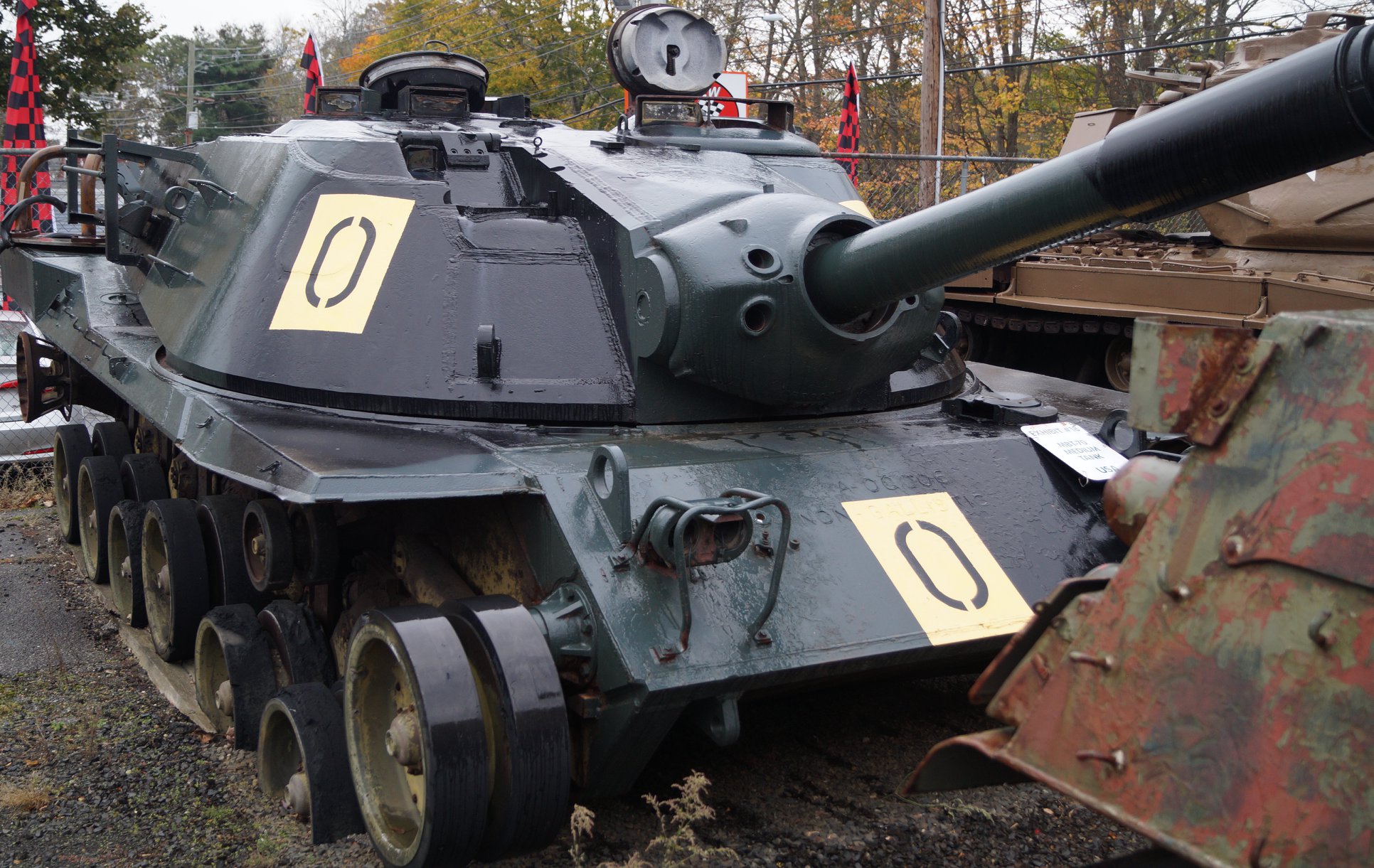
It is with immense sadness that I must inform you of something truly tragic. As the Military Experience Museum Facebook page reported, this week, the American Department of Defense, specifically the U.S. Army Tank-automotive and Armaments Command (TACOM), demilitarization program under the command of one Jeff Garrett, decided it would be a good idea to scrap a dozen invaluable historical artifacts, including a rare MBT-70 prototype and an XM803 prototype.

73124915_978521412483023_3866731573093072896_o

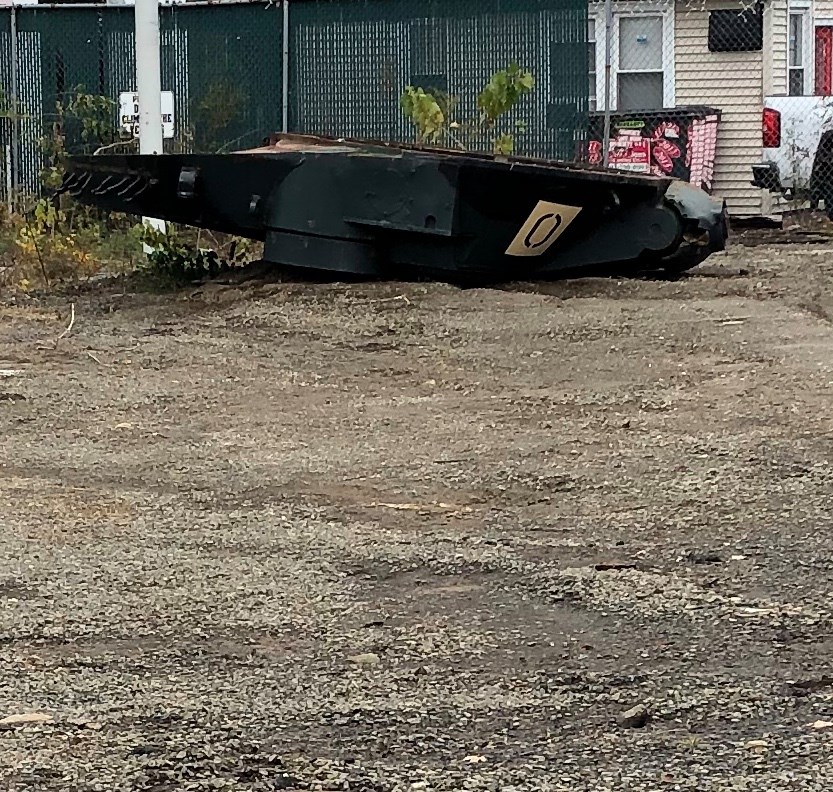
This already happened. The tanks are gone. All that remains from the MBT-70 prototype is its turret.

76638442_978520989149732_4012585810606948352_n

The tanks belonged to a now defunct Military Museum in Danburry, Connecticutt and the DoD did not even allow a private military museums (including the abovementioned Military Experience Museum) to buy these old venerable tanks off their hands.

Say what you will about Russians, but at least they value and preserve their history. The question remains, who is responsible for this atrocity? The abovementioned gentleman is, according to comments under the original post, a good start, but if you know who’s responsible directly, do send me an e-mail to fortherecordwot@gmail.com, please.

Let’s make sure the limp-dick shithead gets the attention he deserves.

For more details about the story, please visit the Military Experience Museum Facebook page.

What a weird place for an AMR-35 to find itself in…

Hello everyone,

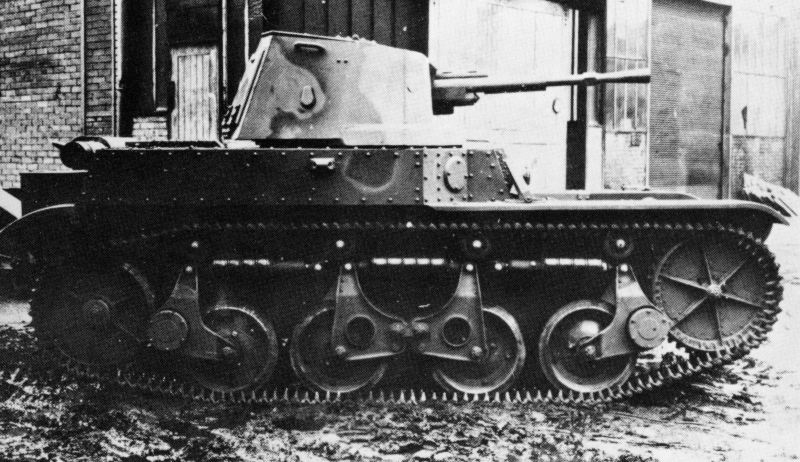
If you are following World of Tanks news, you probably know already that Wargaming is introducing a new premium French tank called AMR-35. In the Wargaming tradition, it’ll probably be a free gift of some sort.

The version they are introducing is called ZT2. The main difference from a “standard” mass-produced one was the APX5 turret with a 25mm autocannon. It’s pretty exotic actually because only about ten of these was ordered between 1935 and 1936. The rest of its story you know already – France lost the war and all of its military stuff (including tanks) went to the Germans, who then mostly used it for training or counter-insurgency because some of the junk was super obsolete.

But, did you know that these little tankettes found themselves in 1945 in Prague of all places? On both sides in fact.

  • Here’s a little overview:
  • ZT1 was the basic model with a 7.5mm Chatellerault MG or 13.2mm Hotchkiss MG (167 made between 1936 and 1938)
  • ZT2 was the abovementioned upgunned version (10 probably made)
  • ZT3 was a light tank destroyer using the same chassis
  • ZT4 was a “colonial” version with a slightly different hull, improved ventilation and several different weapons (including old Renault FT turrets), built for service overseas (about 55 made)

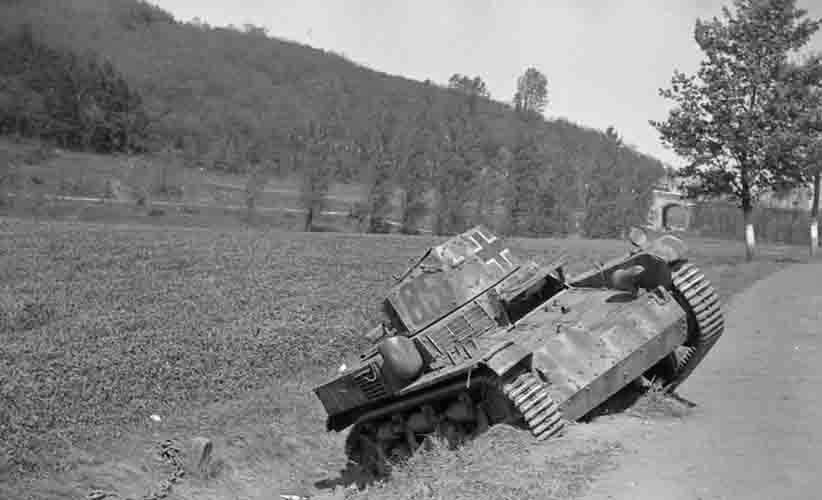
It seems that a second-line peacekeeping German unit, the 539th Special Purpose Division (Division z.b.V. 539) had a whole bunch of the “colonial” ZT4 model AMR-35s and used them during the Prague Uprising in the May of 1945. Some of them got subsequently captured by the Czechoslovak rebels and used against the Germans. Others remained in German hands and would, between May 8 and May 9, travel to Pilsen, where they’d end on a military scrap yard. Here, you can see a broken down AMR-35 near Prague during the last days of the war:

The captured AMX-35 tankettes actually ended (for a short while) in the Czechoslovak military inventory after being (presumably) scrapped, despite their historical value. Metal was at a premium during the days after the war and a lot of German stuff ended up being melted.

Coming out: I love War Thunder!

Okay, fine… I don’t and the title is totally a clickbait. If they add OV-10 Bronco, A-37 Dragonfly or L-39 Albatros, I might change my mind.

But who I really love is the War Thunder community. They make my life so easy!

As some of you know, I am (amongst other things) an ad hoc advisor for Armored Warfare when it comes to vehicle models and realism. Basically, what it encompasses is building a workbook that the model makers use to make their models. In many cases from scratch. If you are interested in the process, Sketchfab had a text that I wrote (ye, rly) on its website:

https://sketchfab.com/blogs/community/game-studio-spotlight-allods-team/

But, back to War Thunder. Whenever I want to find some really detailed stuff about an upcoming AW vehicle, I go crawling through their forums and player proposals. Since AW doesn’t have forums anymore, our own historical vehicle community kinda fell apart and the stuff the Russians post on theirs are usually kinda meh. It has been my philosophy to – wherever possible – go to the sources in the language of the vehicle. American sources for American vehicles, German for German etc.

It’s the same logic that applies pretty much everywhere online, honestly. The actually-useful information on any niche topic almost always lives in small forum threads written by the handful of obsessives who care about it more than is reasonable — whether that’s tank turret armor schematics, vintage synth repairs, or some buddy of mine’s corner of bitcoin sports betting where the real intel about which books pay out and which ones don’t never makes it past a few hundred regulars on a Discord. Mainstream coverage of any of it is downstream noise. The good stuff lives where the obsessives gather, and you have to go to them.

War Thunder community has these really neat detailed proposal threads full of interesting info, in some cases from primary sources. All you gotta do is take a look at the first post, then the discussion and voila, you get things like this:

Normally, I’d have to crawl through otvaga, tanknet and other places, but here, they do it for me.

So, like I said, I love the War Thunder community. Thanks for being awesome and making Armored Warfare a better game, guys! ;)

Of F2P Economy

If you watch Yeong or Jim Sterling, you probably already know about this but if you don’t and still play any free to play game, check this out:

A lot of people has this weird notion in their heads that the games industry is a nice place where people get together to create fun products for their customers and so on. Well, this is the reality that’s valid for many F2P games, if not all — and honestly, it’s not all that different in adjacent industries either. Spend ten minutes looking at how the best bitcoin betting sites stack up against each other and you’ll see the same playbook: flashy welcome bonuses, deliberately confusing wagering requirements, retention loops engineered to keep you depositing “just one more time.” The polish on the surface hides a back end built around extraction. Gaming and gambling have been borrowing from each other’s monetization manuals for years now, and once you’ve seen one, you start spotting the other everywhere.

Definitely worth watching.


It’s a Fake: Kampfpanzer 50t

Ladies and gentlemen, our fake tank parade continues with another great example. This time, Wargaming calls it Kampfpanzer 50t.

According to Wargaming’s description, it’s supposed to be “One of the medium tank projects that were developed in Germany in the 1960s…”

Naturally, not being an expert in everything, I went and asked someone who really IS an expert on anything German and was involved, amongst other things, in the original introduction of RU251 to WoT.

You can see where this is going, can’t you?

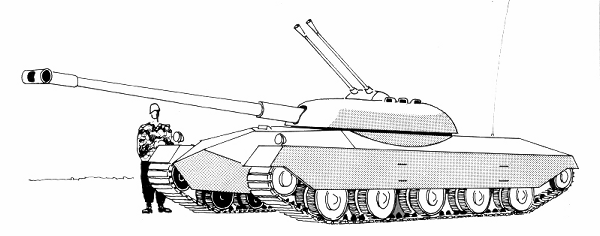
That’s right. This vehicle was never developed. It was taken from this page, specifically this image:

Basically, what you’re looking at is a drawing from a book from 1958 that depict the idea of its author, Ferdinand Maria von Senger und Etterlin, regarding how a “future combat tank” could look like.

The author was certainly an interesting person and had plenty of experience from the war (he was a tank unit commander), but he was not a tank designer or involved in tank design (at least not directly and until the Leopard 1 era). As such, the drawings weren’t based on developed tank designs – they were, for the lack of better term, musings of a veteran soldier regarding what he’d like on tanks.

Okay, if I am to be honest, this is slightly better than the totally fake T 27, but not enough to make a difference. So, let’s ask our resident expert – what’s the verdict: